
Updated October 7, 2026. The sections below were written in 2024 and are kept for history. This summary covers what is current. Sources are in the AI model tracker.
The 2026 summary
- Midjourney: V8.2 became the default model on July 24, 2026. The Edit Model arrived on August 27 and replaced Omni Reference and Character Reference, with up to four image references, inpainting and outpainting. See our news summary and how to use Midjourney.
- DALL-E: OpenAI removed DALL-E 2 and DALL-E 3 from its API on May 12, 2026. The current models are GPT Image 2 (April 21) and ChatGPT Images 2.5 (September 8). See GPT Image.
- Flux: Black Forest Labs released FLUX 3 Image on October 1, 2026, with bounding boxes in the prompt, up to ten references and up to 4K output. See our news summary.
- Leonardo AI: a browser platform with several models in one place. See the Leonardo AI review.
For the full side-by-side, read the 2026 comparison. For everything else, follow AI news.
Original 2024 update
Introduction
The field of AI-generated art is constantly evolving, with major platforms like Midjourney, DALL-E, Leonardo AI, and Flux leading the charge in bringing innovative features and capabilities to creators. Each platform is continually pushing the boundaries of what’s possible, introducing new tools, styles, and features to make the creative process more intuitive and exciting.
In this post, we’ll take a look at the latest updates and what’s new in each of these AI platforms, helping you stay informed about the latest advancements.
What’s New in Midjourney?
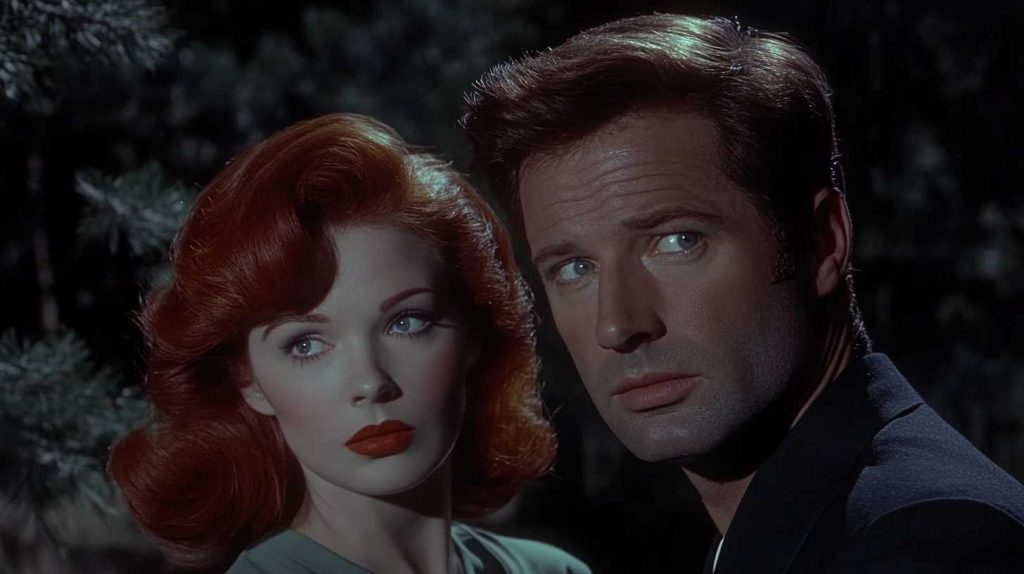
Midjourney has recently introduced new customization features, allowing users to fine-tune the styles of generated artwork. The latest update includes:
- Style Mixer: A new feature that lets you blend different art styles to create hybrid artworks. Users can combine attributes from different styles—such as watercolor and steampunk—to create unique pieces.
- Expanded Library of Styles: Additional pre-set styles have been introduced, including “Art Deco” and “Surrealism,” allowing for more diverse visual experimentation.
- Enhanced Prompt Length: Midjourney now supports longer prompts, giving users more flexibility in specifying details, which results in more accurate and personalized outputs.
- AI Image Editing: Midjourney is introducing a new AI image editing tool that allows anyone on the web to edit images generated through the platform, directly via a simple interface. This feature makes Midjourney a more versatile tool for on-the-fly content adjustments without needing to rely on traditional editing software (TechCrunch article).
What’s New in DALL-E?
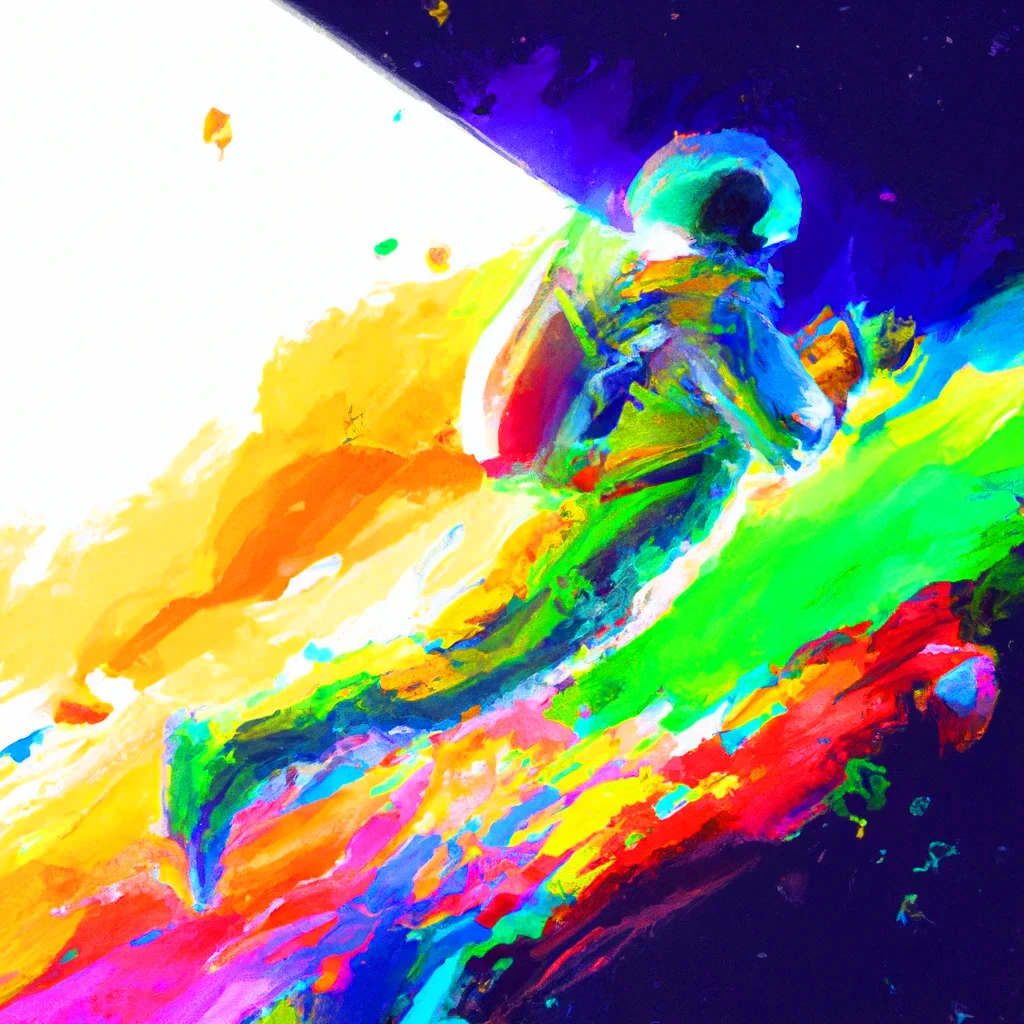
DALL-E, developed by OpenAI, is making strides to become more accessible and versatile for creators of all skill levels. Here are the latest updates:
- Public API Availability: The DALL-E API is now available in public beta, making it easier for developers and businesses to integrate DALL-E’s image generation capabilities into their applications. This opens up new opportunities for creating custom tools and services that can leverage the power of AI image generation (OpenAI announcement).
- Inpainting Enhancements: The inpainting tool has been improved, offering more precise control when editing images. Users can now specify exact areas they want to modify, allowing for intricate adjustments while maintaining the rest of the composition untouched.
- Scene Customization: DALL-E’s recent updates include more advanced scene customization options. Users can define detailed parameters such as time of day, weather conditions, and the types of objects in a scene, which allows for more specific and realistic creations.
- Object Placement Controls: Users can now control where objects are placed within an image, providing enhanced composition capabilities. This helps creators achieve their desired output more efficiently, making DALL-E an even more powerful tool for content creators and designers.
What’s New in Leonardo AI?

Leonardo AI has been enhancing its features to provide more powerful tools for professionals. Recent updates include:
- Architectural Precision Mode: A new mode that focuses on generating highly detailed architectural visuals. This mode includes precise rendering of materials, such as concrete, glass, and metal.
- Brush Tool Integration: Leonardo AI now integrates a brush tool that allows users to make minor edits to their creations, adjusting textures and details directly within the platform.
- AI Collaboration Feature: Users can now collaborate with others in real-time, making it easy to work on the same artwork with team members or share ideas instantly.
- Integration with Canva: Leonardo AI is now directly integrated into Canva, allowing Canva users to generate and use AI-powered images directly within their projects, simplifying the workflow for design professionals who use Canva as their primary tool. You can watch a video demonstration of this feature here.
What’s New in Flux AI?
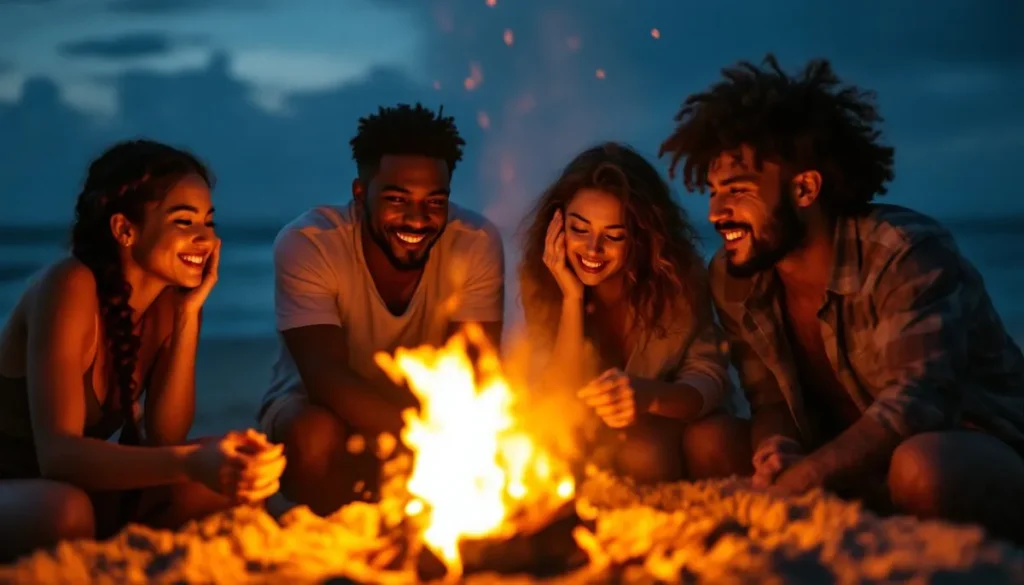
Flux AI continues to lead in the realm of interactive media and animation. The latest updates include:
- Real-Time Animation Previews: Users can now view their animations in real-time as they create them, making it easier to adjust timing, motion paths, and effects without multiple re-renders.
- Layer-Based Animation System: A new layer-based system has been introduced, allowing users to animate individual elements more precisely, similar to traditional animation tools like After Effects.
- Sound Integration: Flux AI now offers sound integration, letting users add music or sound effects to their animations directly within the platform, providing a complete media creation experience.
- Flux 1.1 Pro on Freepik: The latest version, Flux 1.1 Pro, is now available on Freepik, offering faster and more realistic image generation capabilities. This update aims to make Flux more accessible to a larger audience by offering improved speeds, higher-quality outputs, and seamless integration into creative workflows. For more details, read the full report on Tom’s Guide.
Why These Updates Matter for Creators
The latest updates across these AI art generators signify a push towards more customizable, precise, and collaborative creation. Features like real-time previews, brush tool integration, and enhanced inpainting allow creators to better refine their visions, while new collaboration tools open doors for teamwork. Each platform’s new capabilities reflect a commitment to expanding the creative possibilities for users, making AI an even more powerful partner in the creative process.
Conclusion
AI art platforms like Midjourney, DALL-E, Leonardo AI, and Flux are continuously evolving to provide better tools and features for creatives. Whether you’re an artist looking to experiment with style combinations, a filmmaker needing precision in rendering, or an animator focusing on interactivity, these updates are making it easier and faster to create high-quality content. To keep up with the latest developments, check out our other AI guides and stay ahead in the rapidly evolving world of AI-generated art.
