

Most people think AI tools fail because the model isn’t good enough.
In reality, the problem is almost always the prompt.
Great AI results don’t come from starting over every time, they come from a repeatable prompt workflow that turns rough ideas into clear instructions.
This guide shows a smarter way to go from one idea to a perfect prompt.
Why Most AI Prompts Fail
AI prompts usually fail because they are:
- Too short
- Too vague
- Missing context
- Focused on output instead of intent
When you give the AI unclear instructions, it fills the gaps randomly.
Step 1: Start with the Core Idea
Every good prompt starts with a simple idea:
- What do you want?
- Who is it for?
- Why does it matter?
At this stage, the idea doesn’t need to be perfect — it just needs to exist.
Step 2: Expand the Idea into Instructions
This is where most people struggle.
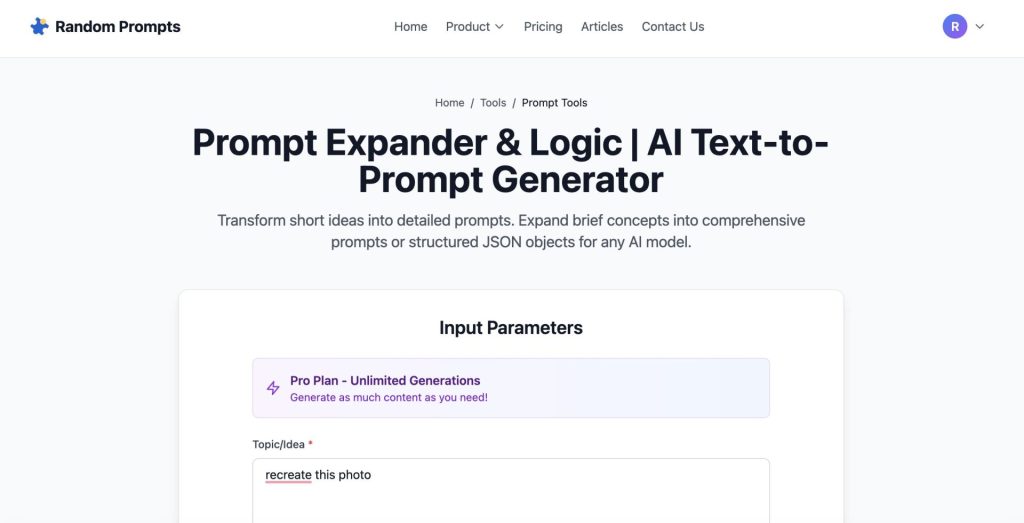
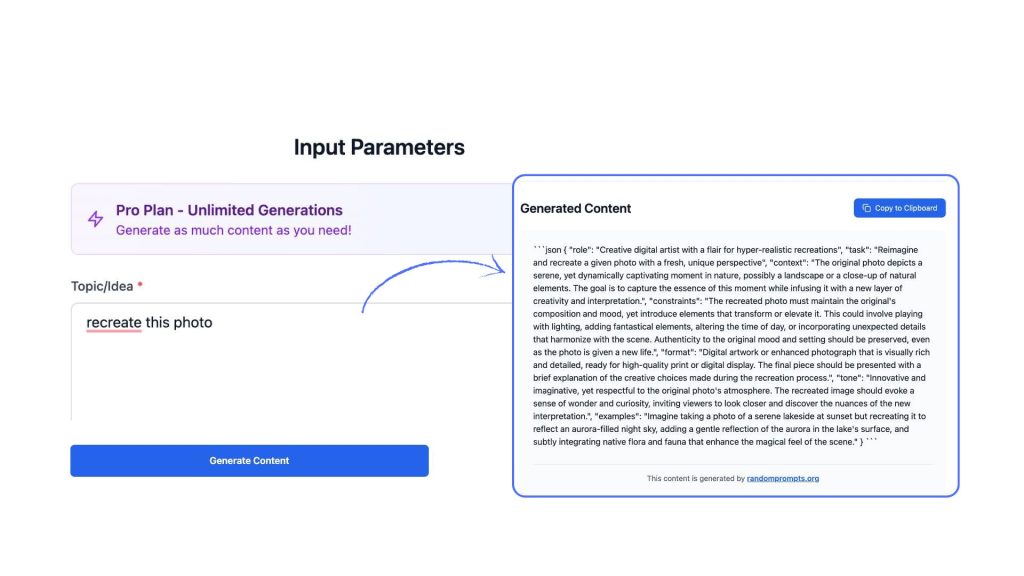
Instead of manually rewriting the prompt, use a Prompt Expander tool to:
- Add context
- Define tone and format
- Clarify the goal
- Remove ambiguity
Prompt expansion bridges the gap between intention and execution.
Step 3: Test and Refine Outputs
Once the prompt is expanded:
- Test it with your AI tool
- Adjust tone or constraints if needed
- Save the prompt for reuse
This turns prompting into a system, not guesswork.
Why This Workflow Is More Effective
A structured AI prompt workflow:
- Saves time
- Improves consistency
- Produces higher-quality results
- Reduces frustration
Instead of fighting the AI, you guide it clearly.
Tools That Support This Workflow
To make this process easier, combine:
- A Prompt Expander tool for structure
- An image to prompt generator for visual inspiration
- Saved prompt templates for reuse
This setup works for writing, design, and development tasks.
Final Thoughts
You don’t need to master prompt engineering overnight.
You just need a smarter workflow that turns ideas into clear instructions.
Once you have that, AI tools become predictable — and powerful.
👉 Explore tools that help you build better prompts
Related: build a repeatable process with our AI prompt workflow guide, then learn how to write better AI image prompts.
